- articlesuse
- 0 نظر
- 20 Views
What is the Gambler’s Fallacy?
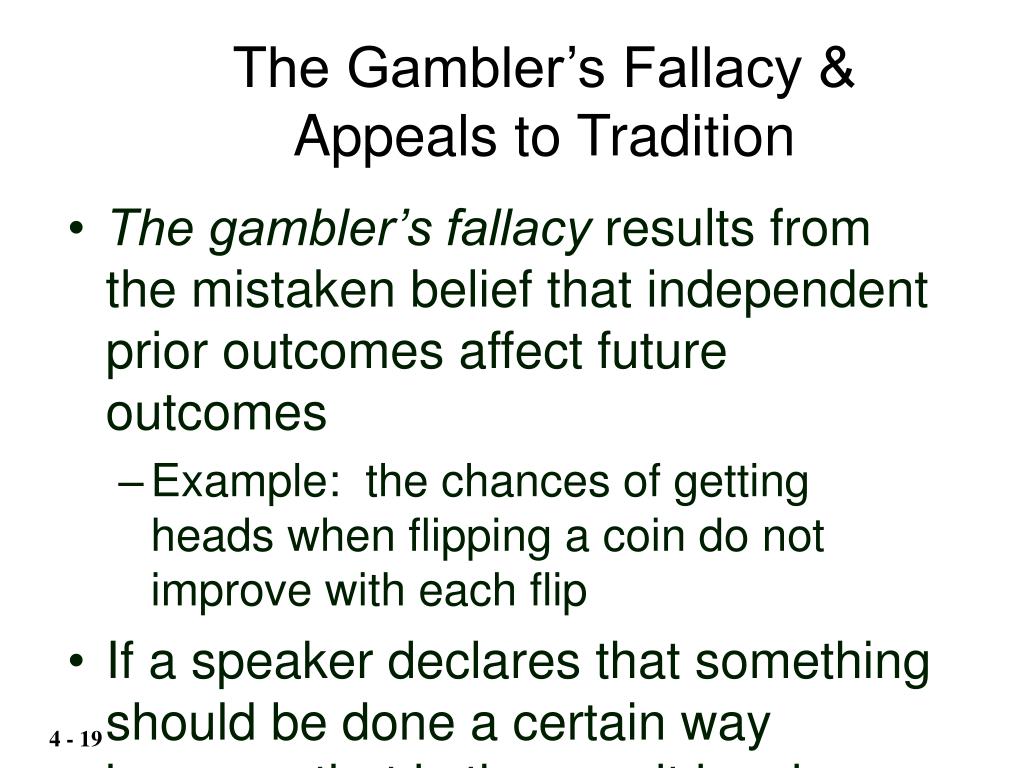
The Gambler’s Fallacy, also known as the Monte Carlo Fallacy or the Fallacy of the Maturity of Chances, is a common misconception related to probability and randomness. This fallacious belief suggests that if an event occurs more frequently than normal during a given period, it will happen less frequently in the future, or vice versa. In simple terms, it is the erroneous belief that past random events can somehow influence the outcome of a future independent event.
For example, consider a simple coin toss. The probability of getting heads or tails in any single flip is always 50%. However, if you observe four consecutive heads, the Gambler’s Fallacy would lead one to falsely predict that tails is now due to occur because it hasn’t appeared recently. However, in reality, each coin toss is an independent event. The probability of getting heads or tails on the fifth toss remains exactly at 50%, regardless of previous outcomes.
The Gambler’s Fallacy Applied to Sports Betting
In sports betting, the Gambler’s Fallacy can manifest in several ways, shaped by the psychological patterns and previous experience of the bettor in interpreting game outcomes.
Example in Football Betting
Consider an NFL team like the New England Patriots that has won five games consecutively. A bettor might believe that they are less likely to win the next game, purely on the basis of their recent GGBET winning streak. They might think, “They’ve won so much already, they’re due for a loss.” However, each game is an independent event influenced by a myriad of factors like team strategy, player performance, injuries, and weather conditions – not by the outcomes of previous games.
Example in Tennis Match Betting
Another scenario might be observed in tennis, where a player such as Serena Williams wins nine games in a row against various opponents. Believers in the Gambler’s Fallacy might bet against her in the tenth match, thinking she is due for a defeat. However, each match is distinct, and factors such as her physical condition, skill level, and the abilities of her next opponent are more relevant than the sequence of previous wins or losses.
Statistical Independence in Sports Events
Sports events are typically ‘statistically independent’ unless there is a direct and tangible linkage between them. Statistical independence means that the outcome of one event does not influence the outcome of another. In sports betting, understanding this concept is crucial because it safeguards against the irrational decision-making of the Gambler’s Fallacy.
It’s essential to assess each game or match on the basis of current circumstances which include, but are not limited to, athletes’ current form, team dynamics, playing conditions, and historical performance against specific opponents under specific circumstances, instead of merely counting the outcomes of previous games.
Common Misjudgments and How to Avoid Them
Recognizing examples of the Gambler’s Fallacy in sports betting is the first step toward avoiding this cognitive pitfall. Betting decisions should be based not on how many times a team or player has won or lost recently, but on a deep analysis of the elements likely to affect the upcoming event.
- Data-driven decision making: Always base betting decisions on data that includes a wide array of variables such as team/player history, specific matchups, playing conditions, and expert insights.
- Educating oneself: Understanding the basics of probability and how they apply to specific sports can help in making informed bets. An event having a 50% probability does not mean it will alternate outcomes in a see-saw pattern; rather, each occurrence is independent.
Real Examples of Gambler’s Fallacy in Betting Markets
Many empirical studies have shown that betting markets are susceptible to the Gambler’s Fallacy. For instance, in soccer betting, after observing a series of ‘draws’ in league matches, bettors might start placing disproportionately fewer bets on draws under the belief that a non-draw outcome is overdue. This can skew the betting odds offered by bookmakers, potentially offering value bets for those who understand the correct application of probability.
Moreover, in horse racing, if a favorite horse fails a few times in succession, casual betters might perceive this as a signal that the horse is less likely to win the next race. Conversely, those who avoid the Gambler’s Fallacy could capitalize on such scenarios if the circumstances leading to previous losses have been adequately addressed or were down to luck.
Ultimately, the Gambler’s Fallacy in sports betting is a psychological trap that stems from a human discomfort with random outcomes. By educating oneself about the nature of events being bet on, and using statistical analysis rather than emotional intuition, bettors can improve their chances of making rational, profitable betting decisions. Remember, in the world of sports betting, past events do not determine future outcomes. Always bet based on sound rationale and empirical evidence rather than fallacious patterns perceived in past outcomes.
